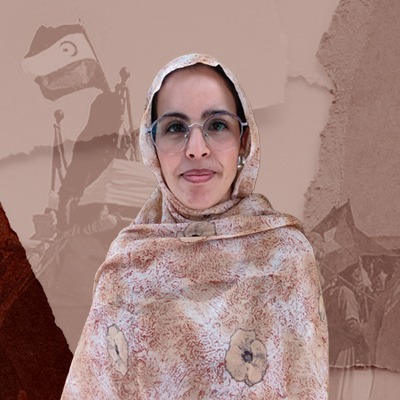
Jadiya Alí Mohamed was born in 1993 and grew up in one of the five refugee camps located in southwestern Algeria, where the first Sahrawis were expelled following the illegal occupation of their territories by Morocco and Mauritania in 1975, and the subsequent war with the Polisario Front, forcing them into exile. With Morocco’s construction of successive walls separating the…
Hundreds of grassroots African, Afro-descendant, Black and Indigenous feminists, including those from the Americas, are gathering from 11 to 15 September in Nairobi, Kenya, for the Berta Cáceres International Feminist Organising School (IFOS). This will be the first edition of the School, known as IFOS, to be held in Africa. “It will be an opportunity to learn from grassroots feminist…
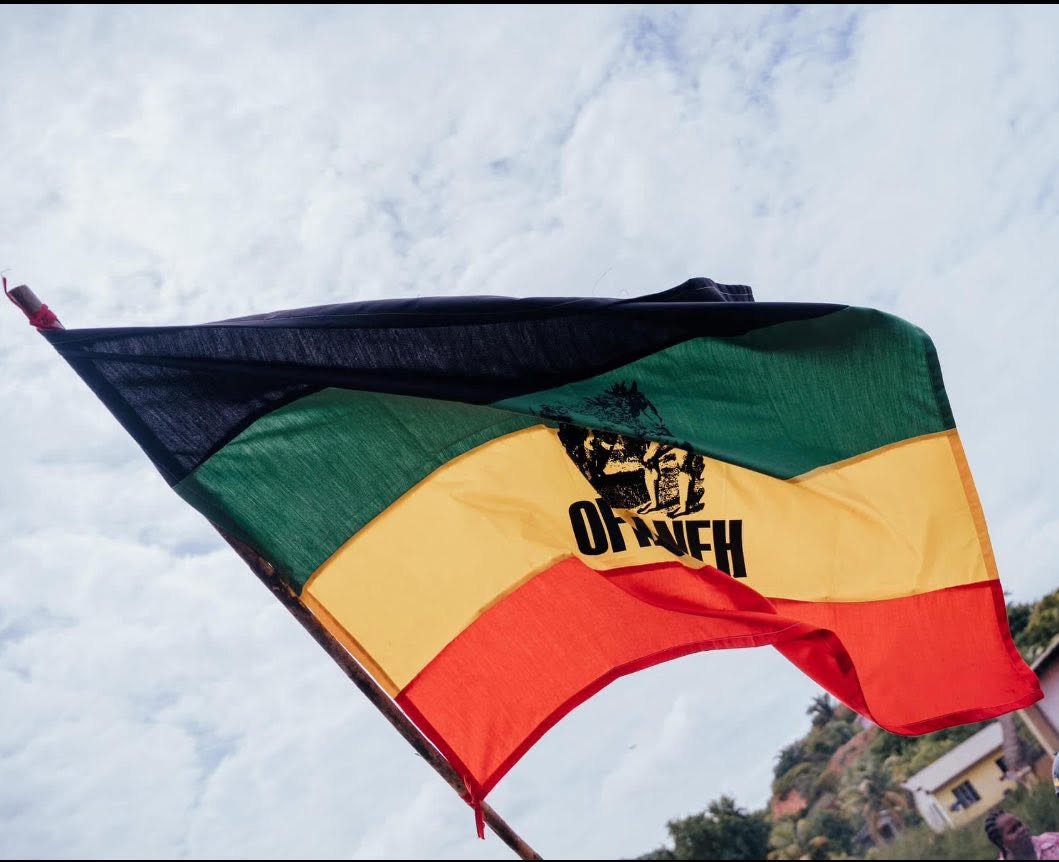
Five members of the Black Fraternal Organisation of Honduras (OFRANEH) were arrested during a violent eviction in the Garífuna community of San Juan, on the Caribbean coast of Honduras, in early July. The five people were subsequently released but are facing criminal charges for “aggravated usurpation” of their own territory. This criminalisation is taking place in a context of growing…
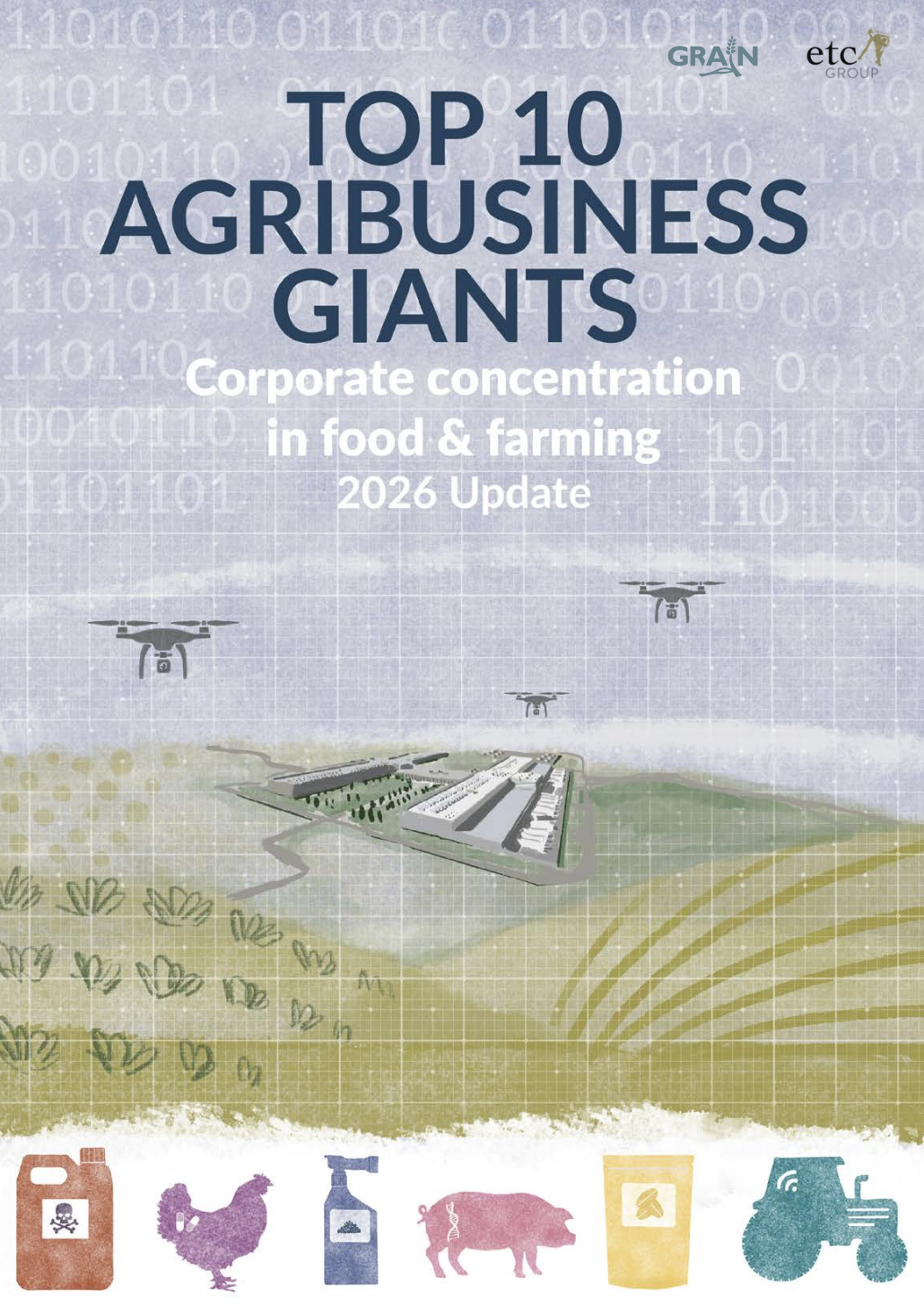
A new report on corporate concentration in food and farming confirms that the global food chain is controlled by a handful of transnational corporations. A few weeks ago, the ETC Group and Grain published the 2026 edition of Top 10 Agribusiness Giants, a study they have been developing and updating for decades, which takes on particular significance against a backdrop…
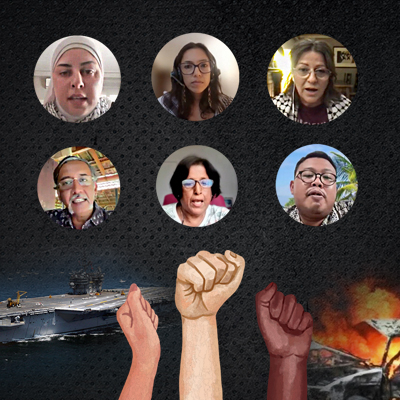
In light of the growing escalation of violence across West Asia, from the ongoing genocide in Palestine to the attacks on Iran, environmental justice movements across the Asia-Pacific came together to reaffirm a truth that has long guided our struggles: environmental justice cannot be separated from questions of war, militarism, sovereignty, and liberation. For many years, movements have spoken about…
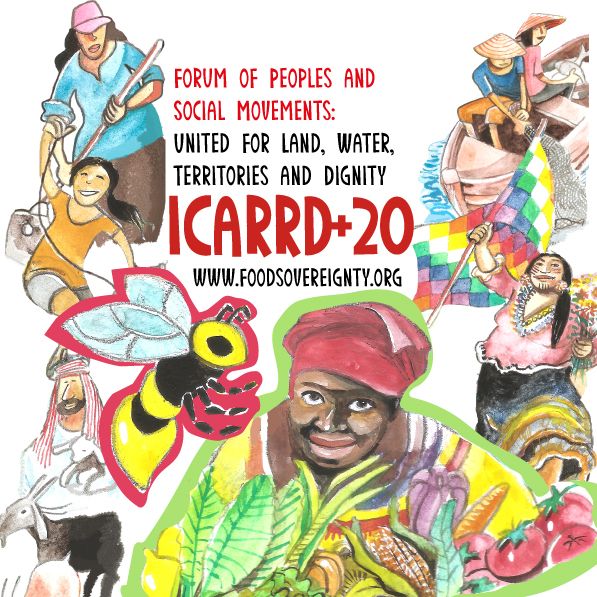
On 24-28 February, the Second International Conference on Agrarian Reform and Rural Development (ICARRD+20) will be held in Cartagena, Colombia, marking 20 years since the first edition. Ahead of the conference, hundreds of delegates that make up the International Planning Committee for Food Sovereignty (IPC), including Indigenous Peoples, peasant movements, fisherfolk, rural workers and more will gather in Cartagena for…
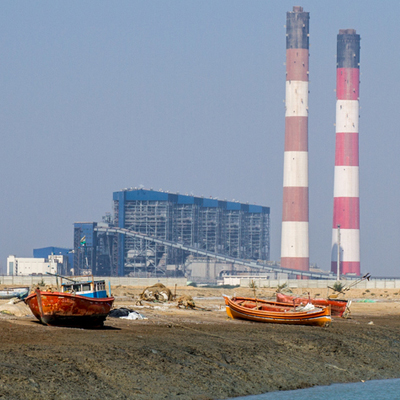
The accountability mechanism of the International Finance Corporation (IFC) decided to close a formal complaint against the Tata Mundra coal-fired power plant in India, financed by the IFC, despite confirming the continuing serious impacts of the plant over the last 12 years. The Compliance Advisor Ombudsman (CAO) of the IFC (body of the World Bank for the private sector) confirmed…
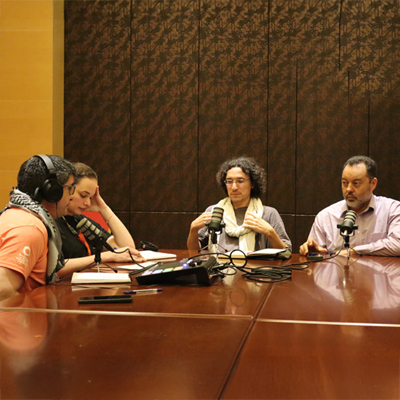
“This is a state of war. The Governments and corporations declared war against people and the planet and their favourite weapon of mass destruction currently is called climate crisis. This is a deliberate act of violence,” said Sinan Eden, activist of Climáximo, in a roundtable interview with Real World Radio. Sinan was interviewed together with Fadhel Kaboub, Associate Professor of…
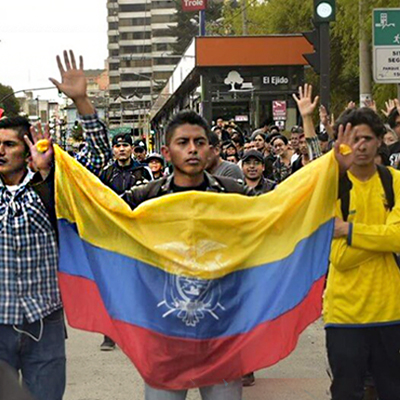
After the right-wing administration led by Daniel Noboa in Ecuador eliminated the diesel subsidies through decree 126 of 12 September, the Confederation of Indigenous Nationalities of Ecuador (CONAIE) decided to call for a general strike and mobilisations. Ever since, the government's repression and persecution of mobilised social organisations and human rights abuses have continued unabated. The decision to call for…
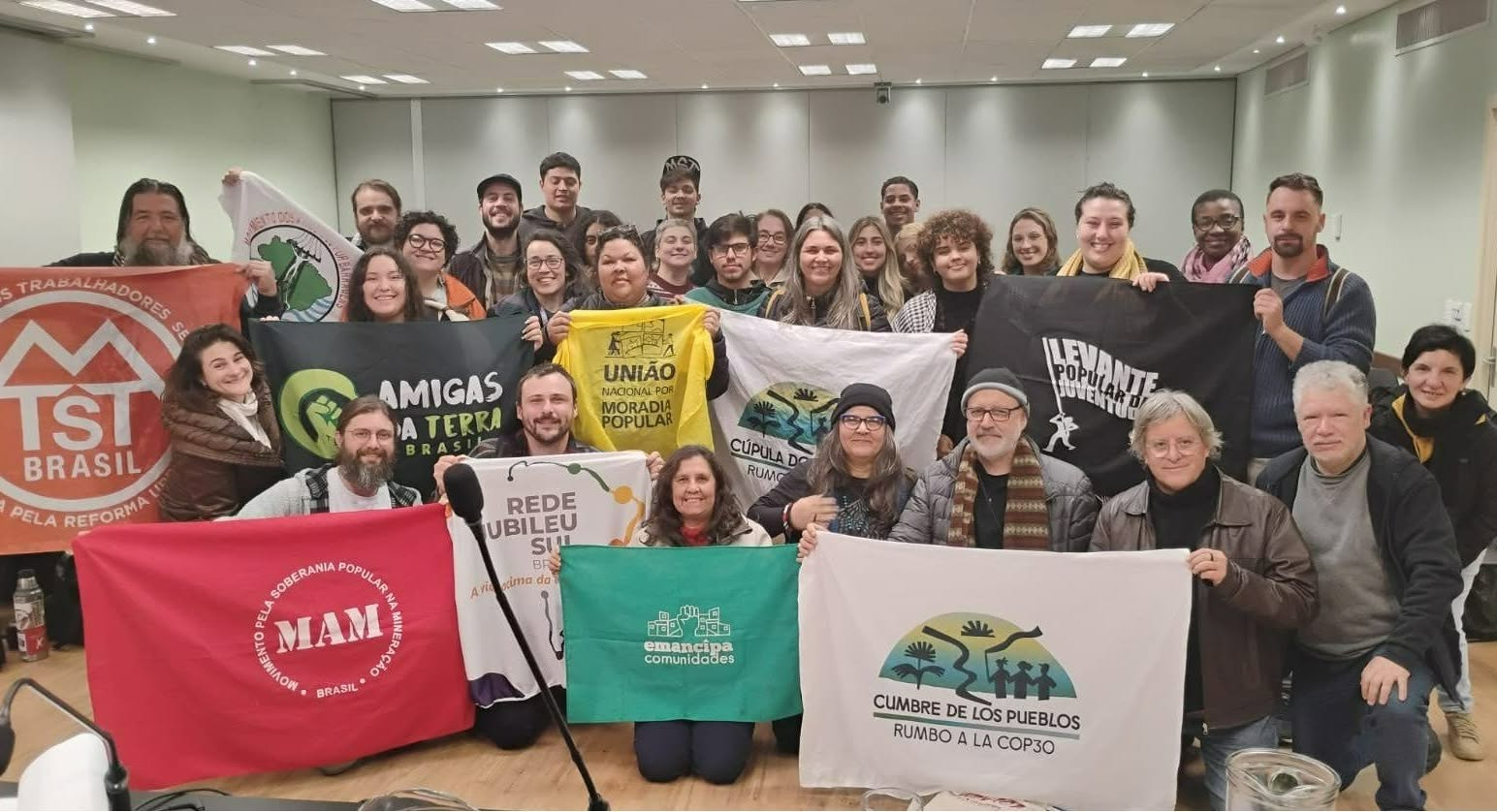
The first Conference of the Parties to the UN Convention on Climate Change, signed in 1992 in Rio, Brazil, was held in 1995. Its 30th edition, better known as the COP30, will be held in November this year. It will be a special edition because it will take place in Latin America, the Amazon specifically, and also because social movements…