Main Slider


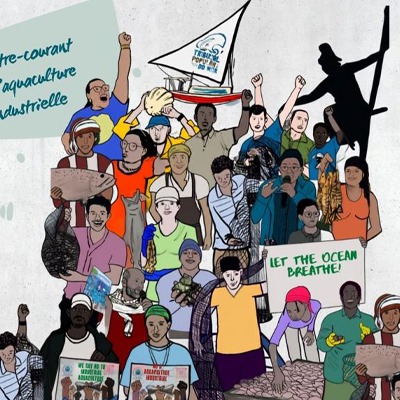
Who bears the costs of industrial aquaculture?

In Thailand, households that once had access to a diverse and nutritious diet have become increasingly dependent on purchased food, following the loss of local food systems. The report Industrial Aquaculture: Better Production, Better Nutrition, Better Environment, and Better Life?, recently published by the World Forum of Fisher Peoples, highlights the case of the Ban Pred Nai community, where the…
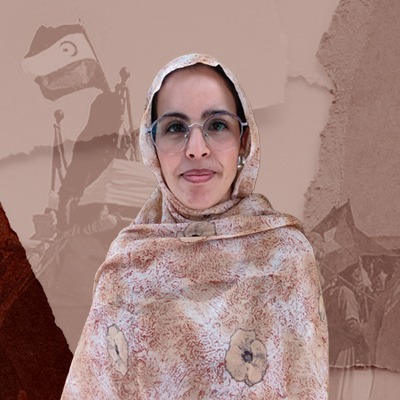
50 years since the Moroccan occupation of Western Sahara

Jadiya Alí Mohamed was born in 1993 and grew up in one of the five refugee camps located in southwestern Algeria, where the first Sahrawis were expelled following the illegal occupation of their territories by Morocco and Mauritania in 1975, and the subsequent war with the Polisario Front, forcing them into exile. With Morocco’s construction of successive walls separating the…

Charting paths for transformation

Hundreds of grassroots African, Afro-descendant, Black and Indigenous feminists, including those from the Americas, are gathering from 11 to 15 September in Nairobi, Kenya, for the Berta Cáceres International Feminist Organising School (IFOS). This will be the first edition of the School, known as IFOS, to be held in Africa. “It will be an opportunity to learn from grassroots feminist…

Excuse me, there is a corporation in my food

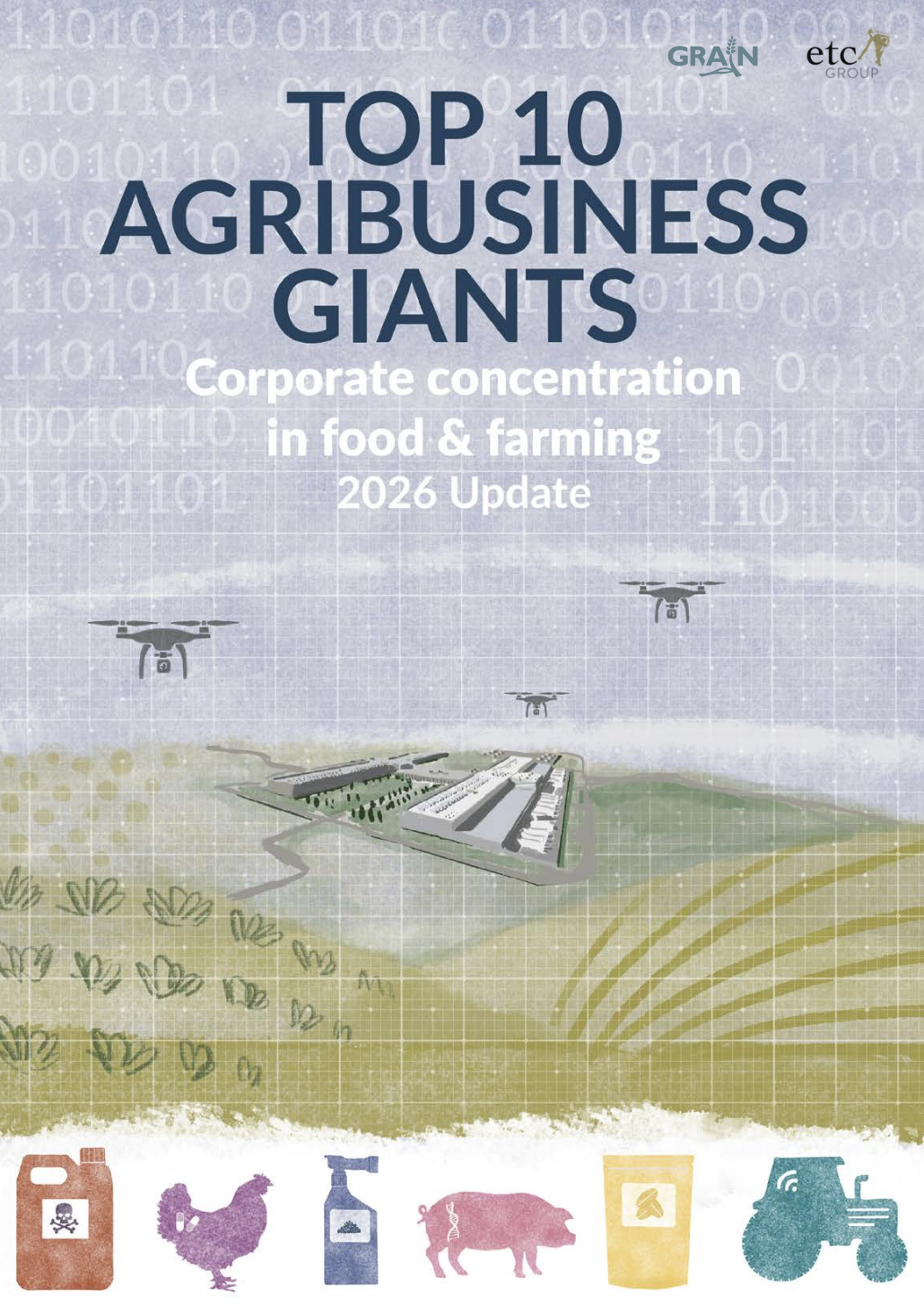
A new report on corporate concentration in food and farming confirms that the global food chain is controlled by a handful of transnational corporations. A few weeks ago, the ETC Group and Grain published the 2026 edition of Top 10 Agribusiness Giants, a study they have been developing and updating for decades, which takes on particular significance against a backdrop…